

How To Clean Ice With Acetone
- National
- Victoria
- Waste
This was published 2 years ago
Solvent found in huge toxic stockpiles often used in illicit ice labs
A solvent found among the 1.2 million litres of chemical waste uncovered in Melbourne's north is a vital component in the illicit production of the drug crystal methamphetamine, or "ice".
Vast quantities of acetone, most commonly known as the main ingredient in nail-polish remover and paint thinner, were found in industrial-sized bins and drums in four warehouses in Epping.
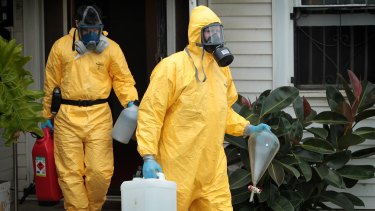
A file picture of drug squad officers removing ice-making equipment and chemicals from an illicit ice-making lab in Melbourne's west. Credit:John Woudstra
While police are still investigating, many people are asking what so much acetone could be used for.
Acetone is a clear, colourless liquid which is extremely flammable and has a number of everyday uses, including in the manufacturing industry, scientific laboratories and in household products.
Loading
But when mixed with other substances such as pseudoephedrine, sulphuric acid, lithium, sodium hydroxide and phosphorus, acetone can also play a key role in the crystallisation process of ice.
Ian Musgrave, the convener of the toxicology special interest group with the Australasian Society for Pharmacology and Toxicology, says acetone can be used as a solvent to wash away impurities.
But Dr Musgrave says he highly doubted that acetone discovered in the city's north was being used to make illicit drugs.
"It's an enormous amount, it's really hard to imagine how that would translate into illicit drugs," he says.
"If you were thinking in terms of illicit drug manufacturing then you're looking at quantities that would produce an amount of amphetamines beyond the output of all the pharmaceutical companies in Australia combined.
"That kind of level manufacture would be very hard to hide. While it is conceptually possible, it really does not seem consistent with everything that's been found so far."
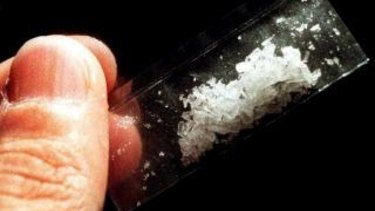
Crystal meth.
But Dr Musgrave says if acetone was used for cleaning, it generally needed to be disposed of as it becomes contaminated.
"It's also not clear at this stage whether we are dealing with clean acetone or acetone waste," he says.
He says evidence so far pointed more to the theory it was potentially an illegal waste dump.
The Age is in no way suggesting that the stockpile of chemicals found inside the warehouses wasused to manufacture ice, only that one of the main solvents found by police has links to creating crystal meth.
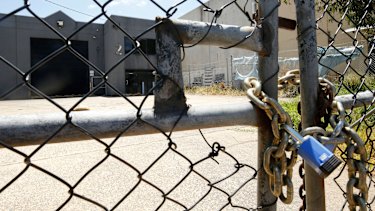
One of the warehouses where the chemicals were found. Credit:Darrian Traynor
Ice has existed for years, but before it came to prominence in Australia about a decade ago, the powdered form of methamphetamine – "speed" – was widely used.
The US Department of Justice archives also lists acetone as one of the ingredients used in the process of making ice.
Acetone can also have significant health effects if inhaled.
Headaches, feeling lightheaded, eye irritation, nausea, vomiting and unconsciousness are all affects of being exposed to acetone, says Trevor Thornton a lecturer at Deakin University's School of Life and Environmental Sciences.
There has also been some emerging evidence that long-term exposure can be linked to kidney and nerve damage.
The solvent's accessibility is often its allure.
"It is relatively easy to obtain," Dr Thornton says.
"When you're looking at making something like crystal meth you're looking for solvents to break down various chemicals used to create that substance.
"But any of the acetone remaining in the actual drug itself, which is not a good thing, really does pose serious risks to peoples' health."
The warehouses remain under 24-hour guard, amid concerns a fire could dwarf the damage caused by the West Footscray industrial blaze last year.
A study completed in 2010 found 6.7 million tonnes are produced each year, mostly in the US, with roughly a third used as a solvent for various types of cleaning.
With Simone Fox Koob and Liam Mannix
- Waste
Most Viewed in National
Loading
How To Clean Ice With Acetone
Source: https://www.theage.com.au/national/victoria/solvent-found-in-huge-toxic-stockpiles-often-used-in-illicit-ice-labs-20190103-p50pbo.html
Posted by: ottopairofterl.blogspot.com
0 Response to "How To Clean Ice With Acetone"
Post a Comment